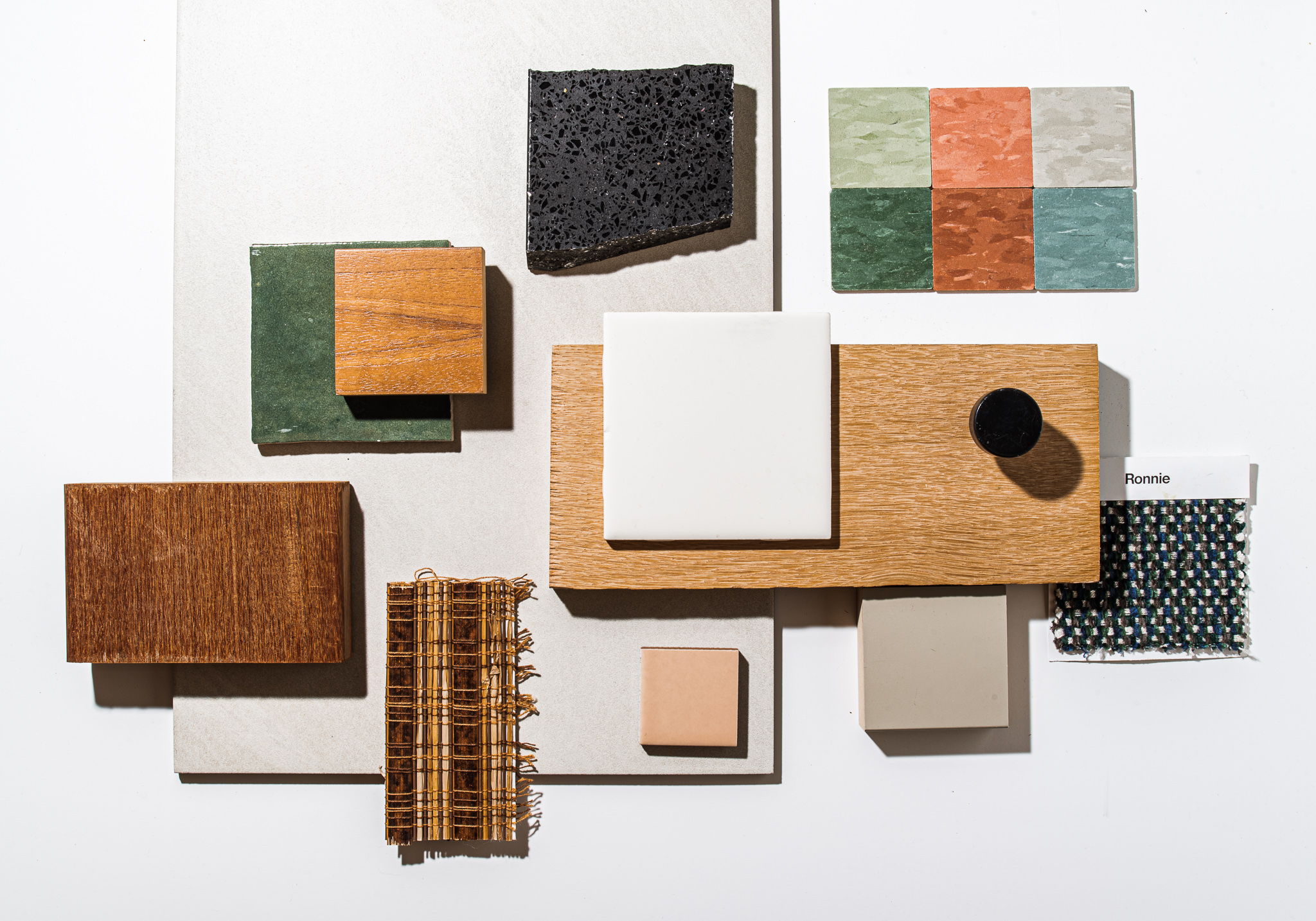
Designing a home for a growing family often starts with practical needs—but the most successful spaces are shaped by something deeper: how people live, what they value, and the places that have left a lasting impression on them.
For this project, the challenge wasn’t just updating a house—it was finding harmony between two very different design sensibilities. One half of the household was drawn to bold color, eclectic pieces, and objects collected through years of global travel. The other craved calm, simplicity, and a home that felt grounding after long days at work. With a new baby on the way, the space also needed to be functional, flexible, and restorative.
The result was a concept we called Pan Zen—a design approach that blends global influence with Japanese design philosophy, balancing expressive personality with intentional restraint.
At the core of this home is a quiet tension that many families experience: how do you create a space that feels expressive without becoming chaotic, and serene without feeling sterile?
Japanese design principles provided a strong foundation. Ideas like balance, negative space, natural materials, and thoughtful restraint helped guide the architecture of each room. Clean lines, warm woods, and simple forms created a sense of calm and clarity throughout the home.
Layered on top of that structure came the “Pan” side of the concept—globally inspired color, texture, and personal artifacts collected over time. Rather than competing with the Zen foundation, these elements were curated carefully, allowing each piece to feel intentional rather than overwhelming.
The goal wasn’t minimalism for its own sake. It was balance.
A key priority throughout the project was designing a home that worked for everyday life. With a baby on the way, spaces needed to feel comfortable, durable, and adaptable—not precious or overly styled.
This meant thinking carefully about layout, circulation, and how rooms would be used throughout the day. Open areas were designed to encourage connection and conversation, while quieter corners offered moments of retreat. Storage was integrated thoughtfully to reduce visual clutter, supporting the calm, grounded feeling the homeowners were seeking.
Rather than chasing trends, each decision was evaluated through a practical lens: Does this support how the family lives? Will it still feel good five years from now?
A calming, hotel-inspired ensuite. Inspired by Japanese hotels experienced during the homeowners’ travels, the primary ensuite was reimagined as a peaceful retreat. Natural light, warm wood tones, and carefully selected tile create a space that feels both restorative and refined. Every material was chosen to support a sense of calm, making the room feel like a pause from the rest of the day.
A living room built around balance. The living room became the heart of the home—grounded by natural materials and softened with layered textiles and globally sourced accents. Furniture placement was intentional, encouraging conversation while maintaining a sense of openness. The space feels collected rather than decorated, reflecting both personalities without leaning too far in either direction.
A small kitchen with thoughtful impact. Rather than a full overhaul, the kitchen was refreshed with strategic updates that delivered maximum impact on a controlled budget. Open shelving, subtle hardware changes, and refined finishes brought warmth and personality without sacrificing function. It’s a reminder that meaningful transformation doesn’t always require starting from scratch.
A soft, welcoming nursery. The nursery was designed to feel gentle, warm, and adaptable as the child grows. Soft color choices, simple forms, and natural textures create a space that feels comforting without being overly themed—allowing the room to evolve over time.
This project is a reminder that great design doesn’t come from choosing a single style and sticking to it rigidly. It comes from understanding how different influences can work together when anchored by a clear philosophy.
A few takeaways for homeowners designing their own spaces:
When structure and emotion are aligned, a home becomes more than a collection of rooms—it becomes a place that supports daily life while reflecting the people who live there.
Projects like Pan Zen take shape through a process of listening, testing, and refining—rather than starting with a fixed vision or a prescribed style. From the outset, the focus was on understanding how the family actually lives, what they need from their space day to day, and where design could help solve practical challenges without adding unnecessary complexity.
As ideas were explored and refined, the design evolved in response to real constraints—space, function, and differing preferences—allowing each decision to build naturally on the last. That approach made it possible to balance calm and personality, restraint and expression, without forcing the home into a single aesthetic category.
The finished home isn’t the result of a single “right” answer, but of a thoughtful process shaped over time—one that feels personal, balanced, and genuinely suited to the family who lives there.